

Is Your Contract for Sale Dodgy?
5 Secrets Revealed to Protect Your NSW Property Sale
![[HERO] Is Your Contract for Sale Dodgy? 5 Secrets Revealed to Protect Your NSW Property Sale](https://cdn.marblism.com/pif3xL7sYpx.webp)
So, you’ve decided to sell your slice of paradise on the Northern Beaches or that hidden gem on the Central Coast. You’ve scrubbed the floors, hidden the clutter in the garage, and the agent is telling you the market is "hotter than a Sydney summer."
But before you start picking out the champagne for the celebration, there’s a massive hurdle you need to clear: the Contract for Sale.
In NSW, a "dodgy" contract isn't just a nuisance; it’s a legal landmine. If your contract is missing a single prescribed document or contains a vague clause, your buyer could walk away, taking their deposit with them, just as you’re packing the moving truck. At Beaches Conveyancing, we’ve seen it all, and we’re here to make sure your sale doesn’t end up in the "What was I thinking?" pile.
Here are the 5 secrets to ensuring your NSW contract is bulletproof, professional, and, most importantly, legal.
1. Are You Missing the "Must-Haves"?
In NSW, the law is very specific about what needs to be in a contract before a property is even offered for sale. These are called prescribed documents.
If you forget to attach one of these, you give the purchaser a 14-day "get out of jail free" card. That’s right, they can rescind the contract within 14 days of exchange simply because you didn't include a specific piece of paper from the council. No penalty. No deposit kept. Just a very awkward conversation with your agent.
The essential "must-haves" include:
- A Title Search: Confirming you actually own what you’re selling (pretty important, right?).
- A Section 10.7 Planning Certificate: This tells the buyer if the land is bushfire-prone, flood-affected, or if the council is planning to build a highway through the living room.
- A Sewerage Diagram: Showing where the pipes are, so the buyer knows they aren't building a pool over the main sewer line.
- Easements and Covenants & other Dealings: Any registered documents showing if the neighbours have a right to walk across your lawn or if you’re banned from painting your house neon pink.
If you’re unsure about the timeline of how these documents fit into the bigger picture, check out our guide on Exchange vs Settlement in NSW.
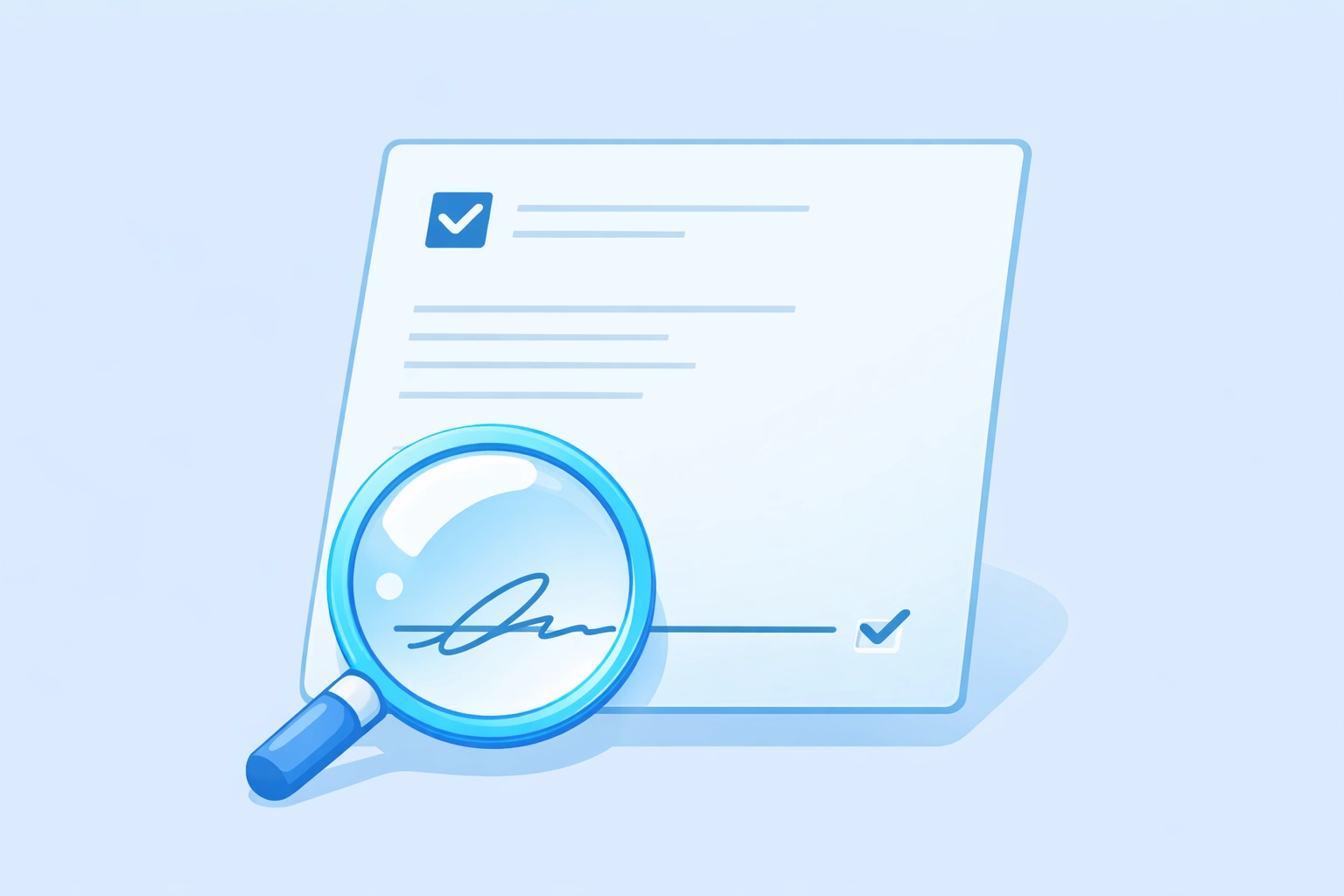
2. Is Your Identity Correct (Or Are You a Victim of a Typo)?
You’d be surprised how many contracts hit our desks with the wrong names on them. If your legal name is Jonathan David Smith, but the contract says John Smith, you’re headed for a world of pain at settlement.
Banks are notoriously picky. If the name on the contract doesn't perfectly match the name on the Title or the name on the mortgage discharge papers, they might refuse to settle. This causes delays, which leads to penalty interest, which leads to you losing money.
Pro-Tip for Sellers:
Ensure your middle names are included and spelled correctly. Also, double-check the Lot and Deposited Plan (DP) numbers. If you’re selling "Lot 1" but the contract says "Lot 11," you aren't just making a typo, you’re legally selling the wrong piece of land 😱.
3. Who Gets the Fancy Dishwasher?
The "Inclusions and Exclusions" section is where the most post-exchange bickering happens. If it isn't bolted down, it’s technically a "chattel," and if it is bolted down, it’s a "fixture." But let’s be honest, nobody wants to argue over a rusty garden shed on settlement day.
A "dodgy" contract is vague. A professional contract is crystal clear.
- Inclusions: Don't just tick "Blinds." Specify if the smart-home hub or the expensive European dishwasher is staying.
- Exclusions: If you plan on taking your grandmother’s vintage chandelier or that specific lemon tree in the pot, list it.
If there is a dispute on settlement day about an inclusion that was removed, the buyer might try to delay the process. To avoid ending up in the deep end, make sure this section is airtight. You can read more about avoiding those settlement day traps here.
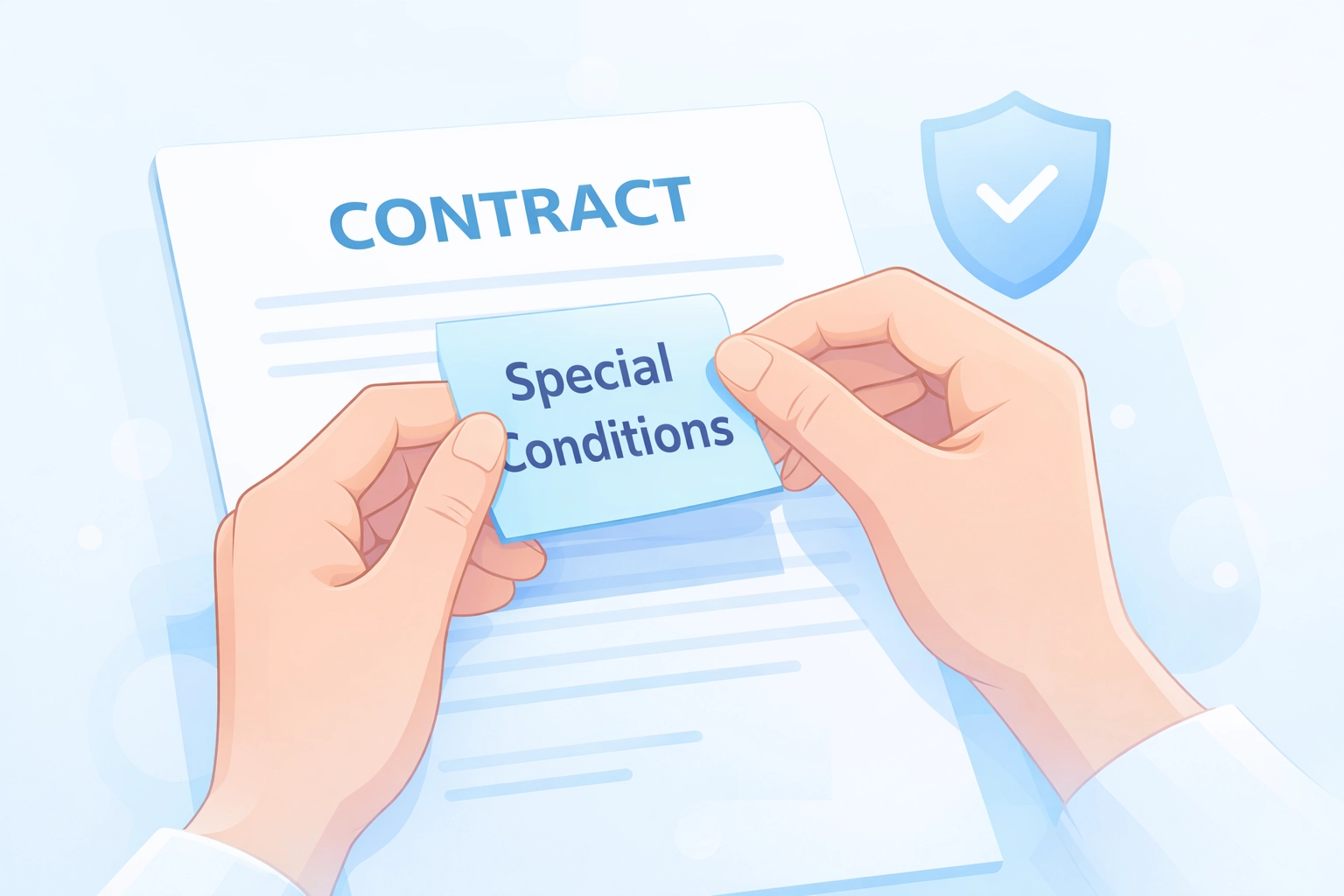
4. Are Your Special Conditions Actually "Special"?
Standard contracts are fine for standard houses, but let’s be real, nothing in the Northern Beaches or Central Coast is "standard." You need Additional (or Special) Conditions that reflect your actual situation.
One of the most common issues we see relates to the deposit. While a 10% deposit is traditional, many buyers nowadays ask for a 5% deposit. If you agree to this, you need a very specific clause (sometimes called a "10-5-gone" clause) that ensures if the buyer defaults, they still owe you the full 10%. Without this, you might only be able to claim the 5% they actually paid.
We’ve written extensively about The Deposit 10-5-Gone in NSW because it’s a trap that catches many unguided sellers.
Other special conditions to consider:
- Settlement Period: Is it the standard 42 days, or do you need a longer period because you’re buying before you sell?
- Cleaning: Does the property need to be professionally cleaned, or is "broom clean" enough?
- Agent's Commission: Can the agent's commission be paid directly out of the deposit at settlement?
5. The Disclosure Trap: Honesty is the Cheapest Policy
In NSW, the principle of caveat emptor (buyer beware) has been largely replaced by Vendor Disclosure requirements. You are legally required to disclose certain "latent defects", things the buyer couldn't see just by walking through the house.
If you built a massive deck without council approval (we’re looking at you, weekend warriors), you must disclose it in the contract. If you don't, and the buyer finds out before settlement, they might have the right to cancel the contract and get their deposit back.
The Swimming Pool Headache
If your property has a pool, you must attach a valid Certificate of Compliance or a Certificate of Non-Compliance. If you attach neither, the buyer can walk away within 14 days of exchange. It’s that simple. Don't let a pool fence gate that doesn't swing back properly ruin your million-dollar sale. For more on this, dive into our Swimming Pools category.
Why a "Cheap" Contract Can Be the Most Expensive Mistake You'll Ever Make
It’s tempting to look for the cheapest way to get a contract drawn up. But a contract that isn't tailored to your specific property is like a cheap suit, it might look okay from a distance, but it’ll rip the moment you try to move.
At Beaches Conveyancing, we pride ourselves on being more than just "paper-pushers." We’re your legal bodyguards. We ensure that every document is present, every typo is squashed, and every special condition is drafted to protect your interests, not just the buyer’s.
A quick checklist before you sign:
- Is the Section 10.7 Certificate less than 6 months old? (If it's too old, it's invalid).
- Are all registered interests (mortgages, caveats) noted?
- If there’s a tenant, is the lease attached?
- Is the cooling-off period clearly defined? (Usually 5 business days, unless it's an auction!). Check our Cooling-Off Period guide for the specifics.

Final Thoughts for Savvy Sellers
Selling a home is a major life event. Whether you’re moving up the coast or downsizing to a beachside apartment, the last thing you need is a "dodgy" contract hanging over your head like a dark cloud.
By ensuring your prescribed documents are complete, your inclusions are clear, and your disclosures are honest, you set yourself up for a smooth, stress-free settlement.
Are you ready to get your property on the market without the legal drama? Let’s get your contract sorted properly the first time.
Want to learn more about the NSW property game?
Explore our Property and Conveyancing category for more tips on staying protected in the Sydney market.
Disclaimer: This blog post provides general information and should not be taken as legal advice. Property laws in NSW are complex and change frequently. At the time of writing (March 2026), these rules are current, but you should always consult with a professional conveyancer regarding your specific circumstances.
