

Why Your Conveyancer Is Asking So Many Questions:
The 2026 ID Rules Explained
![[HERO] Why Your Conveyancer Is Asking So Many Questions: The 2026 ID Rules Explained](https://cdn.marblism.com/Dys5BSFWctA.webp)
If you’ve recently started the process of buying or selling a home, you might feel like your conveyancer has suddenly transitioned from a legal professional into a high-level private investigator. "Why do you need my passport again?" "Where did this $200,000 deposit actually come from?" "Can you prove your grandmother actually gave you that money?"
We get it. It feels a bit like we’re trying to find out your Netflix password or what you had for breakfast in 2014. But there is a very big, very legal reason for all this prying.
Welcome to the new world of conveyancing NSW. As of July 1, 2026, the rules of the game have changed significantly. We aren't just being nosy; we’re complying with the Tranche 2 AML/CTF reforms.
Here is everything you need to know about why your ID is now the hottest ticket in town and how these rules affect property transfers NSW.
What changed on July 1, 2026?
For a long time, Australia’s Anti-Money Laundering and Counter-Terrorism Financing (AML/CTF) laws mainly applied to banks, casinos, and bullion dealers. But the government realized that if you’re a "bad guy" with a suitcase full of "dirty" cash, the easiest place to park that money was in the Australian property market.
To stop this, they introduced the Tranche 2 reforms. Since the July 1, 2026 deadline, "gatekeeper" professions, like conveyancers, accountants, and real estate agents, are now legally required to perform much stricter checks.
At Beaches Conveyancing, we are now part of the front line in the fight against financial crime. It sounds dramatic, doesn’t it? While we don’t wear capes, we do have to make sure that every transaction is squeaky clean. This means the settlement process NSW now involves a few extra hurdles to ensure that the money moving through the system isn't coming from anywhere shady.

Is this just about my driver's license?
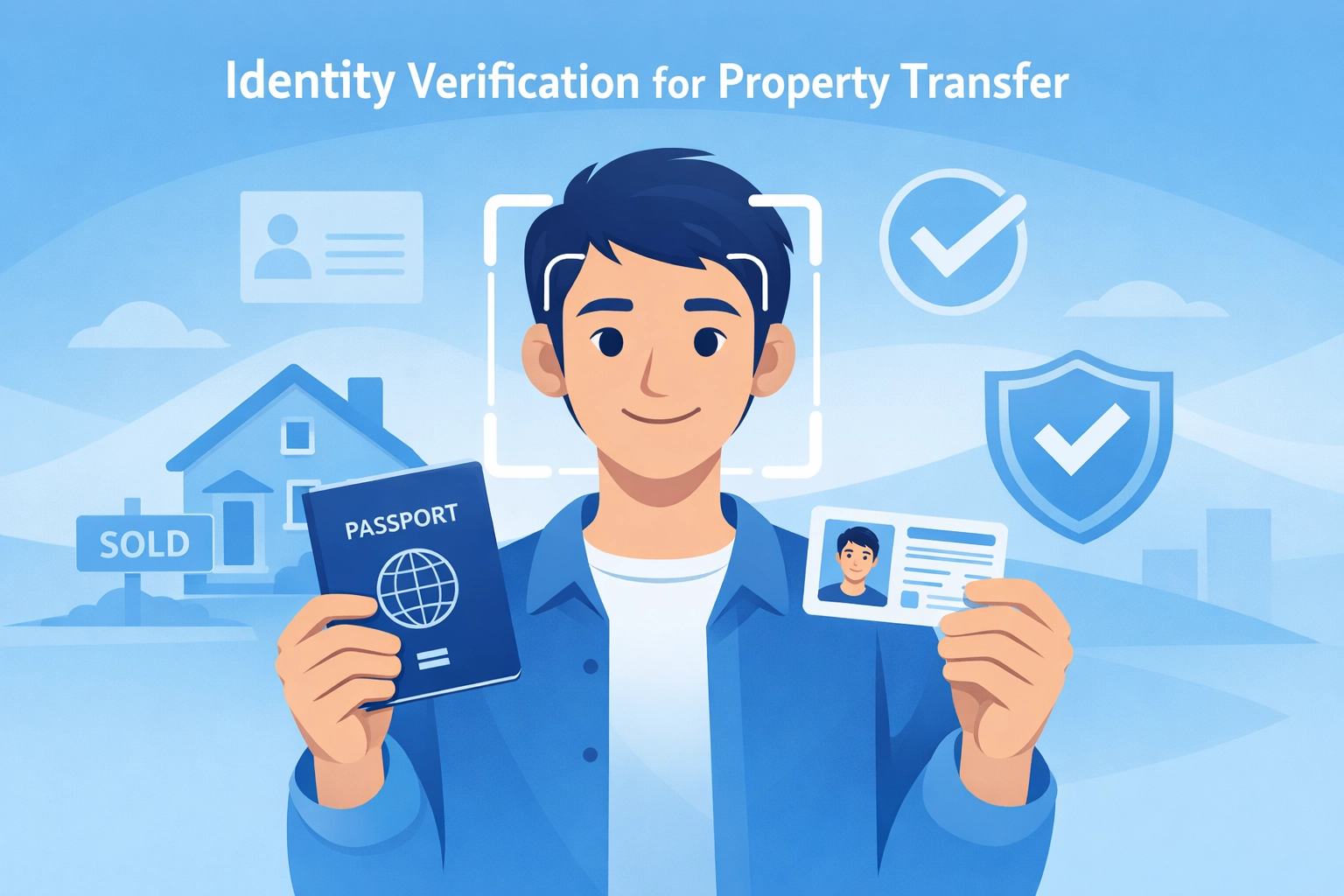
In the old days (way back in 2024), a quick glance at your driver's license was often enough. Not anymore. The 2026 rules require a much more robust Verification of Identity (VOI) process.
Under the new standards, we need to verify your identity to a "Safe Harbour" standard. This usually involves:
- A valid Australian Passport AND a current Driver’s License.
- If you don't have those, a combination of birth certificates, Medicare cards, and even utility bills.
- A face-to-face meeting or a highly secure digital verification (where a computer checks that your face matches your ID).
This is quite common now, and while it might feel like a "paperwork headache," it’s designed to protect you. Identity theft in property transactions is a real threat, and these checks ensure that the person selling the house actually owns it, and the person buying it is who they say they are.
Why do you care about my bank balance?
This is the part where people usually get a little prickly. Under the Tranche 2 AML/CTF reforms, we are now required to understand your Source of Funds (SoF) and Source of Wealth (SoW).
- Source of Funds: Where is the specific money for this transaction coming from? (e.g., savings, a gift from parents, or the sale of another property).
- Source of Wealth: How did you accumulate your overall wealth? (e.g., your salary over 20 years, an inheritance, or savvy investments).
If you are buying before you sell in NSW, we’ll need to see the trail of where that equity is coming from. If your parents are helping you out, we might need a statutory declaration from them.
It’s not that we don’t trust you, it’s that the law requires us to document the "why" and "how" behind the dollars. If we don’t ask these questions, we (the conveyancers) can face massive fines or even jail time. So, please, bear with us!
What if I’m buying as a Trust or a Company?
If you thought the individual checks were fun, wait until we look at Trusts and Companies! The 2026 rules are particularly focused on "beneficial owners." This means we need to look through the layers of a company or trust to find the actual humans who ultimately own or control the entity.
For property transfers NSW involving a trust, we will need:
- The full Trust Deed (including all amendments).
- ID for all Trustees.
- ID for all "Beneficial Owners" (anyone who owns more than 25% or has significant control).
Yes, it’s a lot of paper. But don't worry: at Beaches Conveyancing, we handle the heavy lifting. We’ll tell you exactly what pages we need so you don’t have to send us a 400-page PDF of legal jargon.
How does this affect the settlement process NSW?
Because these checks are now mandatory and much more detailed, they can take a bit of time. You cannot leave your ID verification until the day of settlement. In fact, most conveyancers won't even start work on your file until the VOI and AML checks are satisfied.
If you are a first home buyer, you should get your documents ready the moment you start looking at houses. This ensures that when you find "the one," the exchange vs settlement process goes as smoothly as possible.
Delays in ID verification can lead to:
- Missing the cooling-off period deadlines.
- Delayed settlements (which can cost you penalty interest).
- The 10% deposit being at risk if you can't complete on time.
"But my bank already did this!"
We hear this a lot. "The bank checked my ID when I got the pre-approval, why are you doing it again?"
It’s a fair question. The reality is that under the current law, each "reporting entity" (the bank, the conveyancer, the real estate agent) has their own separate obligation to verify you. While some "reliance" models are being developed, at the time of writing, most conveyancers still need to perform their own independent checks to stay compliant.
Think of it like airport security. Just because you went through a scanner in Sydney doesn't mean they won't scan you again when you land in a different country. We’re all just making sure the "flight" (your property deal) stays safe.
Don't end up in the deep end
Navigating the 2026 ID rules can feel like trying to swim through a sea of red tape. But that’s why we’re here. At Beaches Conveyancing, we pride ourselves on being friendly, approachable, and experts at clearing the path for our clients.
We know the beach-side suburbs in high demand and we know exactly how to get your contract for sale through the system without you losing your mind.
We use the latest digital tools to make ID verification quick and painless. Usually, it’s as simple as taking a "selfie" and a photo of your passport on your smartphone. We take that data, tick the legal boxes, and get back to the important stuff: getting you the keys to your new home.

Quick Summary of the 2026 Rules:
- Deadline: The Tranche 2 reforms kicked in fully on July 1, 2026.
- The "Why": To stop money laundering and terrorism financing in the property market.
- The "What": Stricter VOI (passports/licenses) and Source of Funds/Wealth checks.
- The "Who": Individuals, Companies, and Trusts are all under the microscope.
- The "How": Beaches Conveyancing uses secure tech to make it as easy as possible for you.
Your next steps
If you're thinking about buying or selling in NSW, don't let the new ID rules stress you out. Start gathering your documents early. Ensure your passport is in date, find your original trust deeds, and keep a record of where your deposit is coming from.
Property transfers should be an exciting milestone, not a bureaucratic nightmare. Whether you’re a seasoned investor or a first-time buyer, we’re here to help you navigate the 2026 landscape with ease.
If you have questions about the new rules or need help with a property matter, feel free to reach out to the team at Beaches Conveyancing. We promise we only ask the "nosy" questions because we have to: and we’ll do it with a smile!
